Channel exports
Turning a support-heavy bottleneck into a self-service flow
Product Overview
Productsup is an enterprise product content syndication platform. Customers upload, structure, and enrich their product data, then push it out to the channels where they sell and advertise.
Context
Exports is a required step, every customer passes through it to push product data to the channels where they sell. But it was the most-touched, least-loved area in the product: 1,489 channels in one endless alphabetical list, no guidance, no way to tell what mattered. New users couldn’t finish setup without support jumping in. One line that summed it up: “I don’t know what I should do and why.”
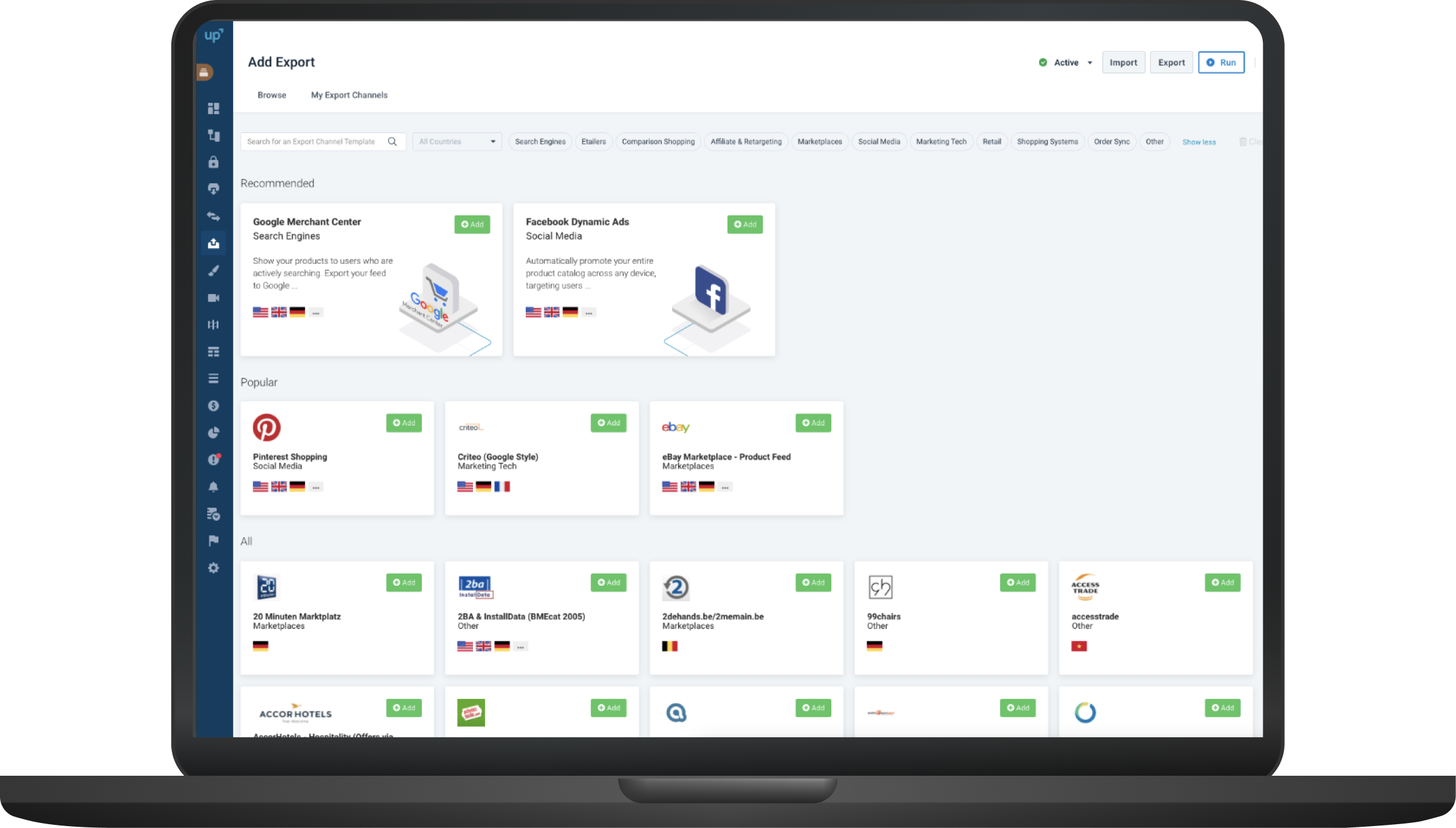
The old cluttered list of exports
What I changed
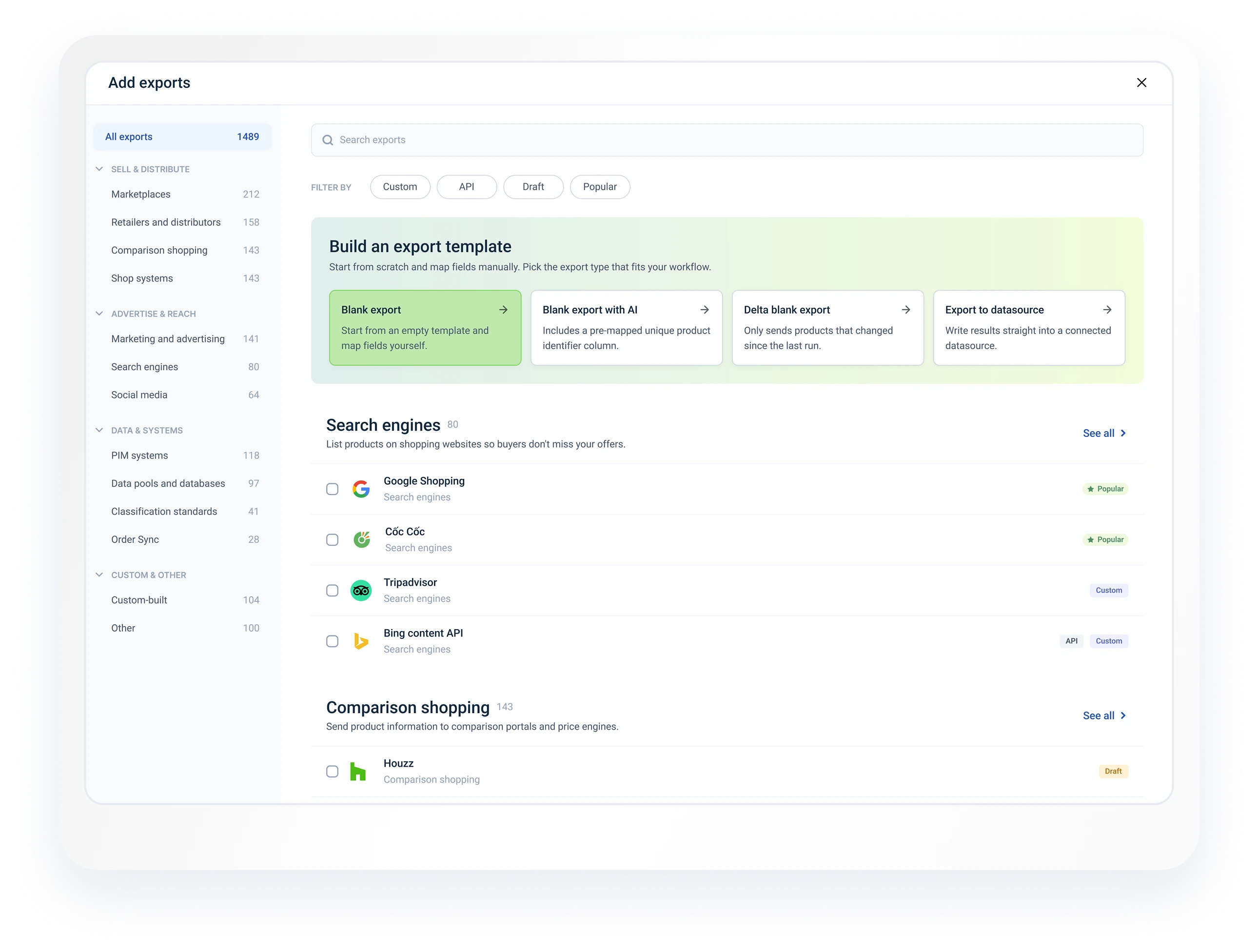
Blank exports finally visible
The most-used export templates - blank exports, promoted to the top instead of buried.
Search & filters that scale
Find a known channel in two clicks. The #1 driver of “can’t find channel” tickets, gone.
Industry-aware catalog that scales
The list of exports now adapts to the customer’s industry rather than showing everyone the same static catalog. And labels the channels their peers actually use as “Popular”.
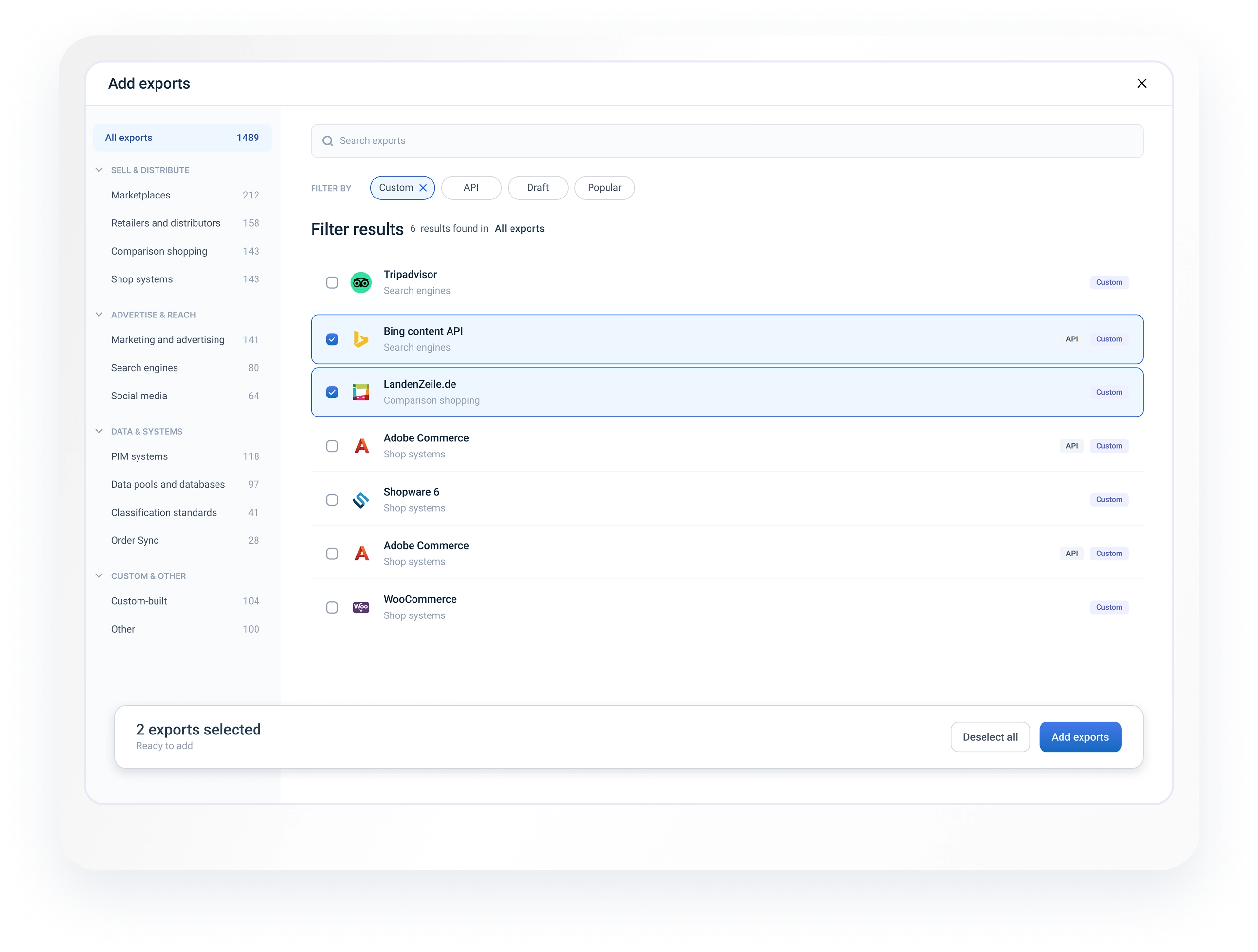
Multi-select setup
Customers can now select multiple exports at once. The research made clear: they want to add everything relevant in one pass, then configure each channel later.
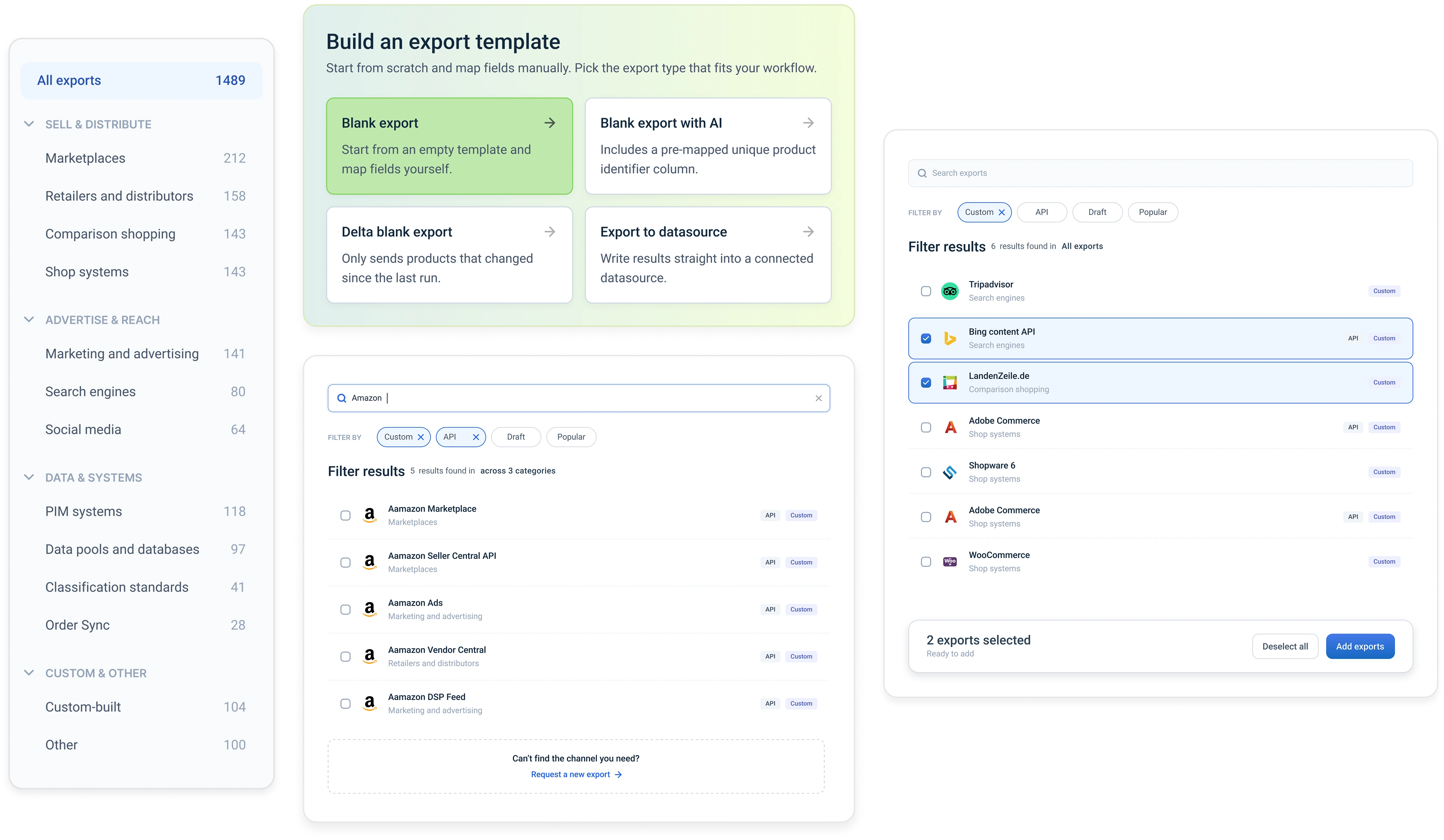
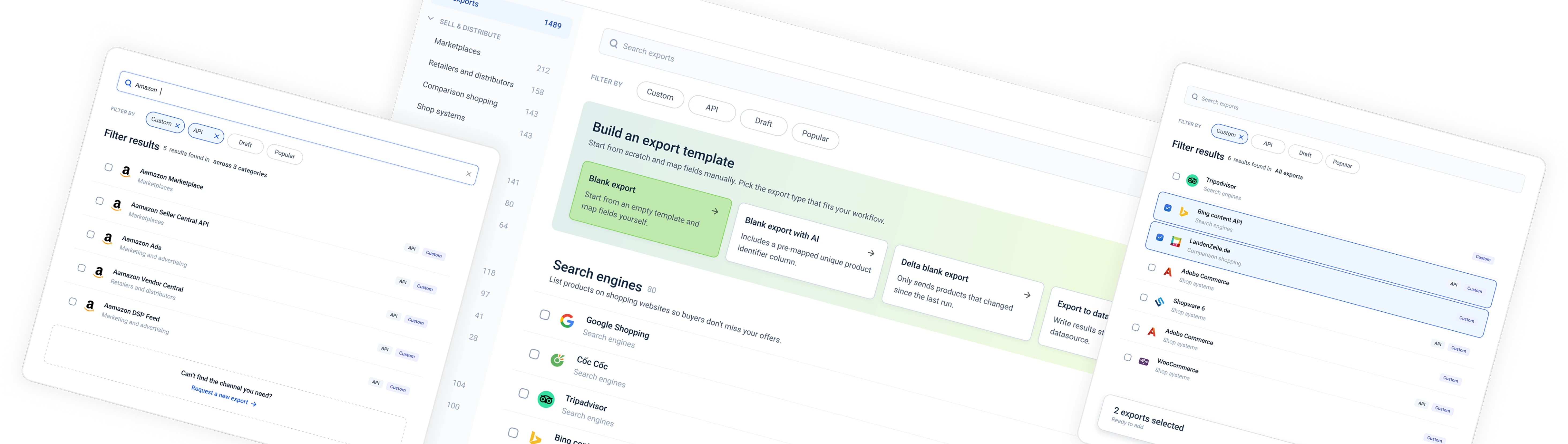
The redesigned, guided export catalog
Impact
-34%
Reduced channel setup support tickets
58% → 82%
Increased self-service rate
+22%
Channels added per account
-40%
Reduced time to first export
How I got there
Discover → Define → Develop → Deliver Interviews + Heap data + ticket history → validated wireframes through a 13-person unmoderated and 3-person moderated test → pixel-perfect handoff on our design system.

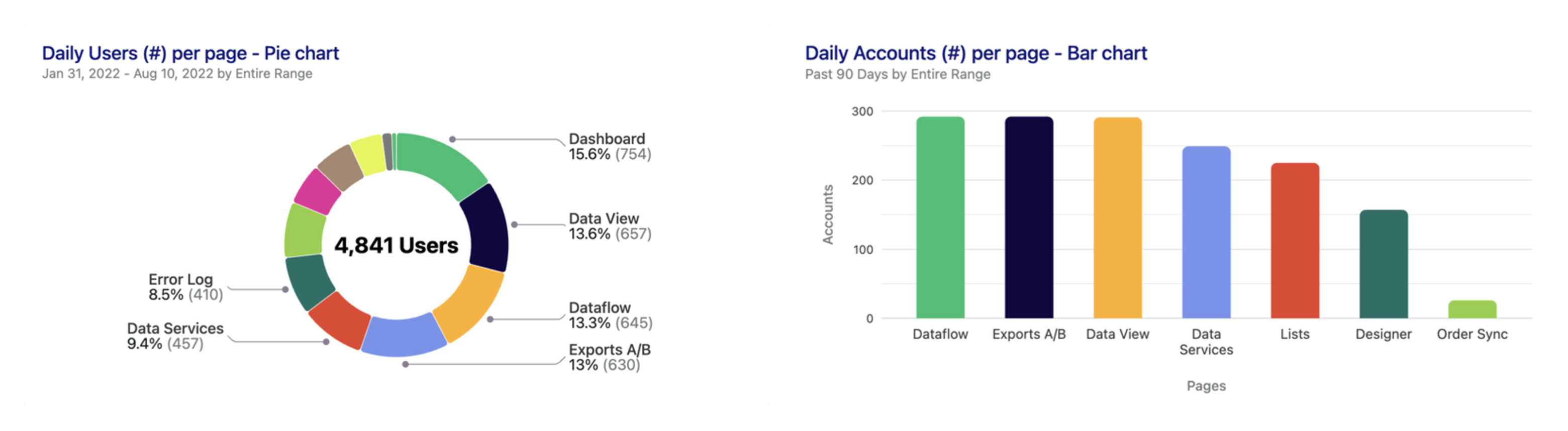
Secondary research: Utilise existing knowledge
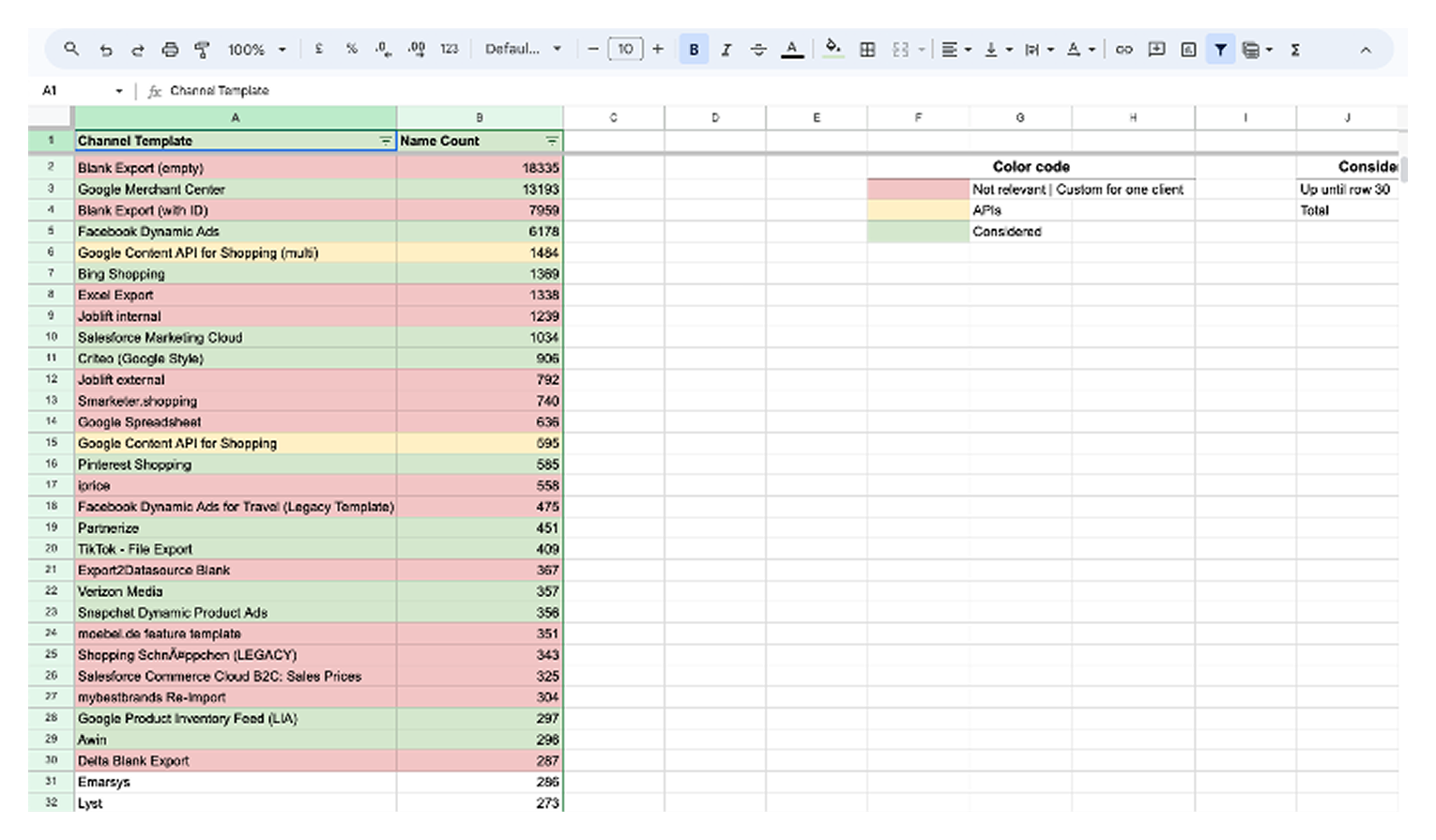
Secondary research: Utilise existing knowledge
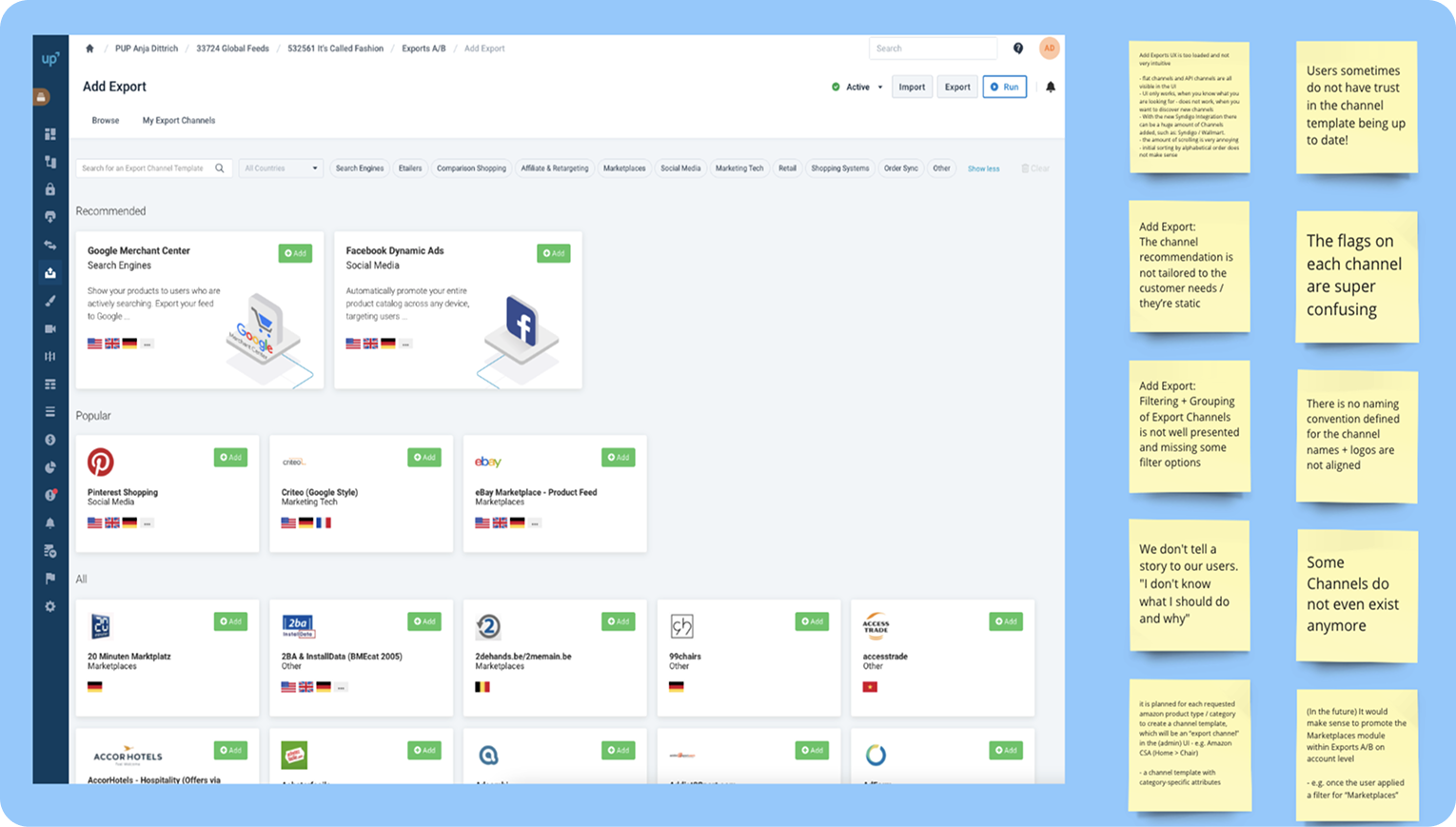
Primary research: first detected issues

Conduct interviews with customers and relevant internal stakeholders

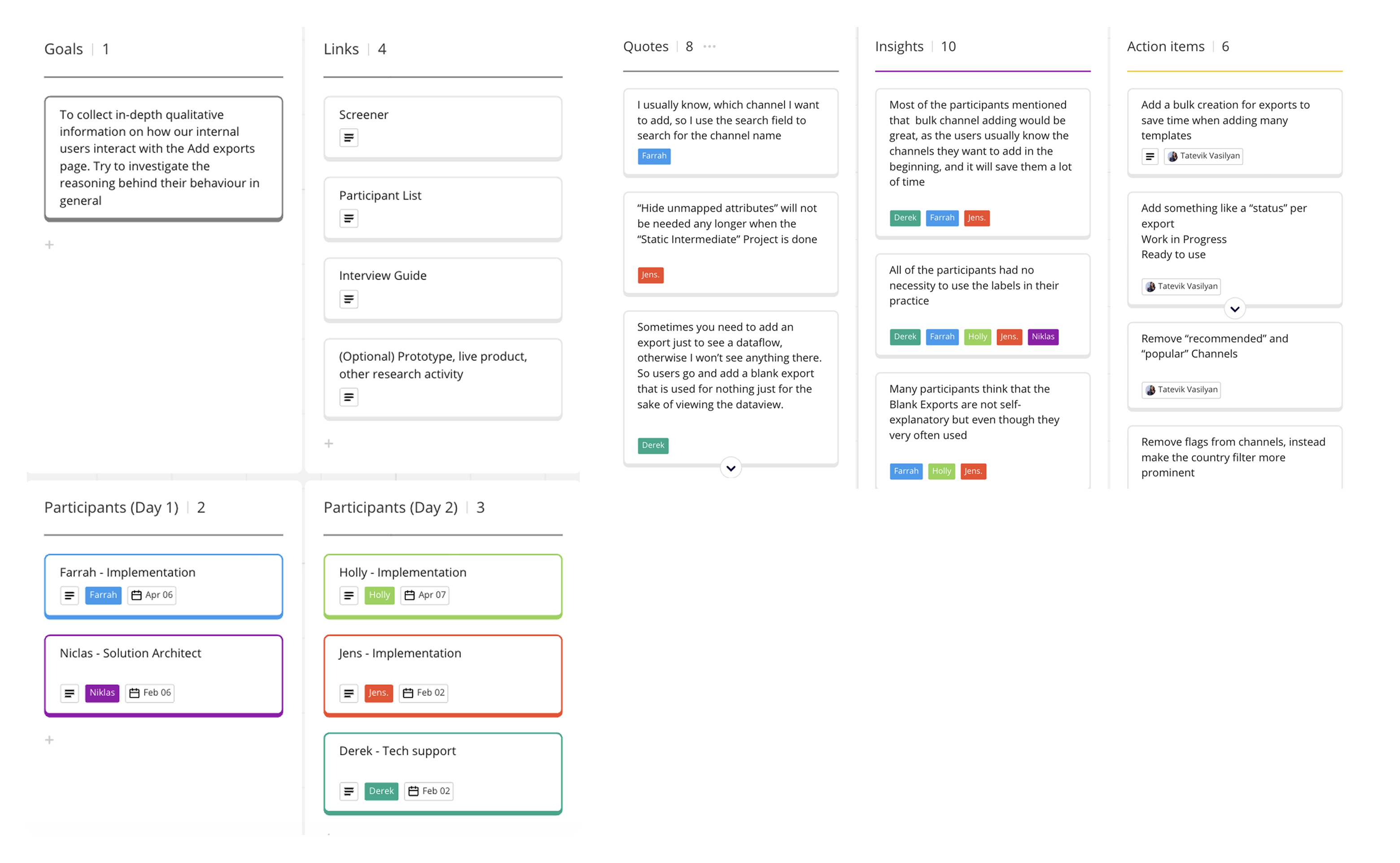
Analyse the data obtained
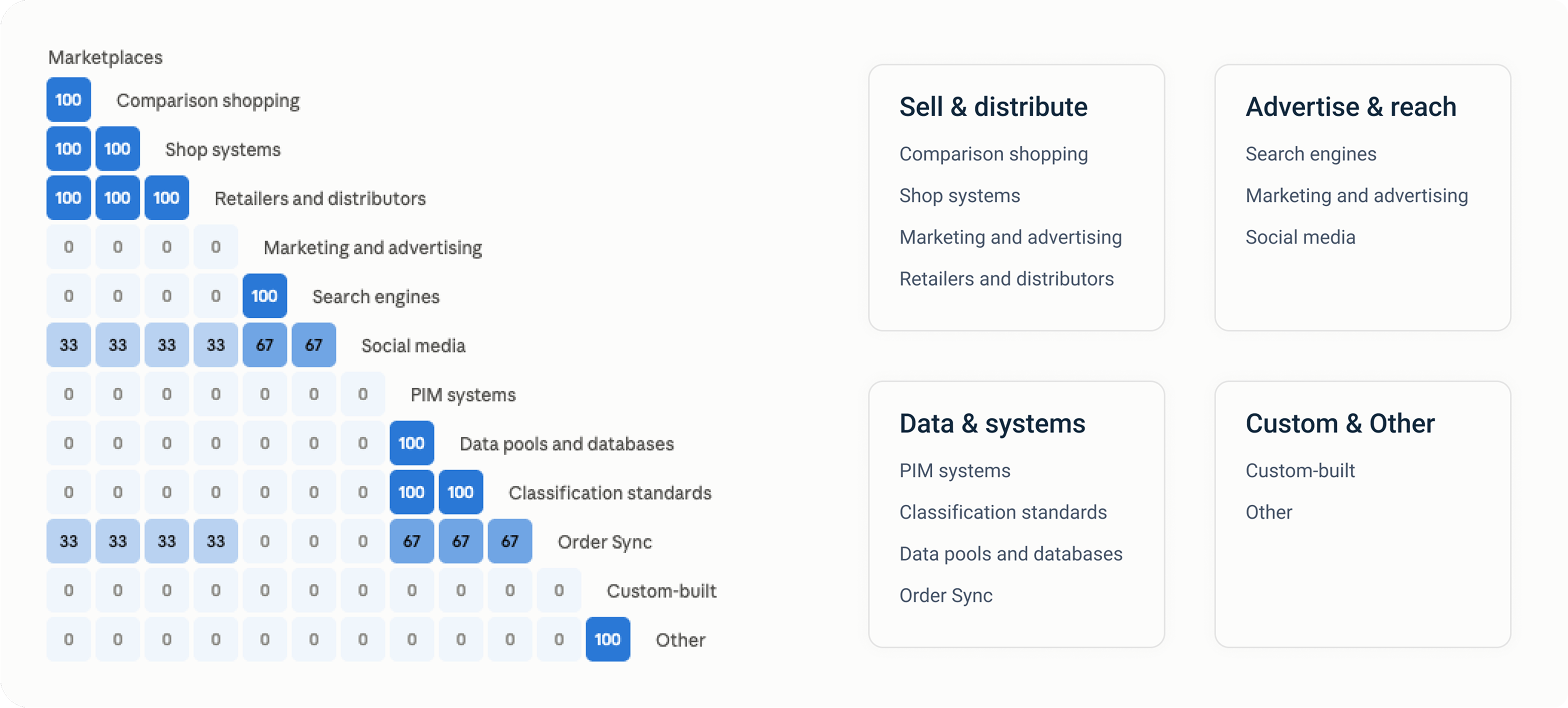
Open card sorting to cluster the channel categories

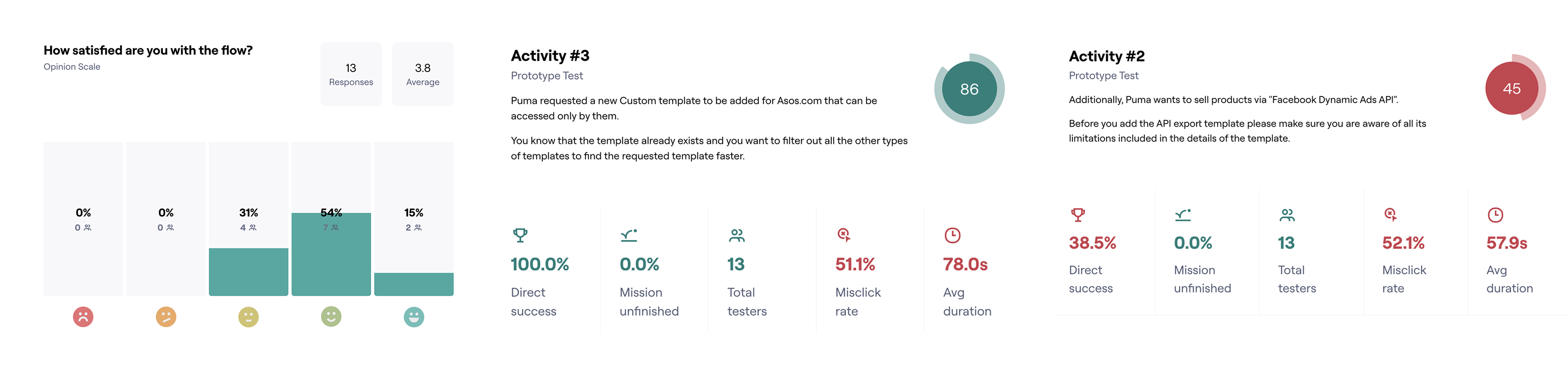
Unmoderated usability tests - 13 participants
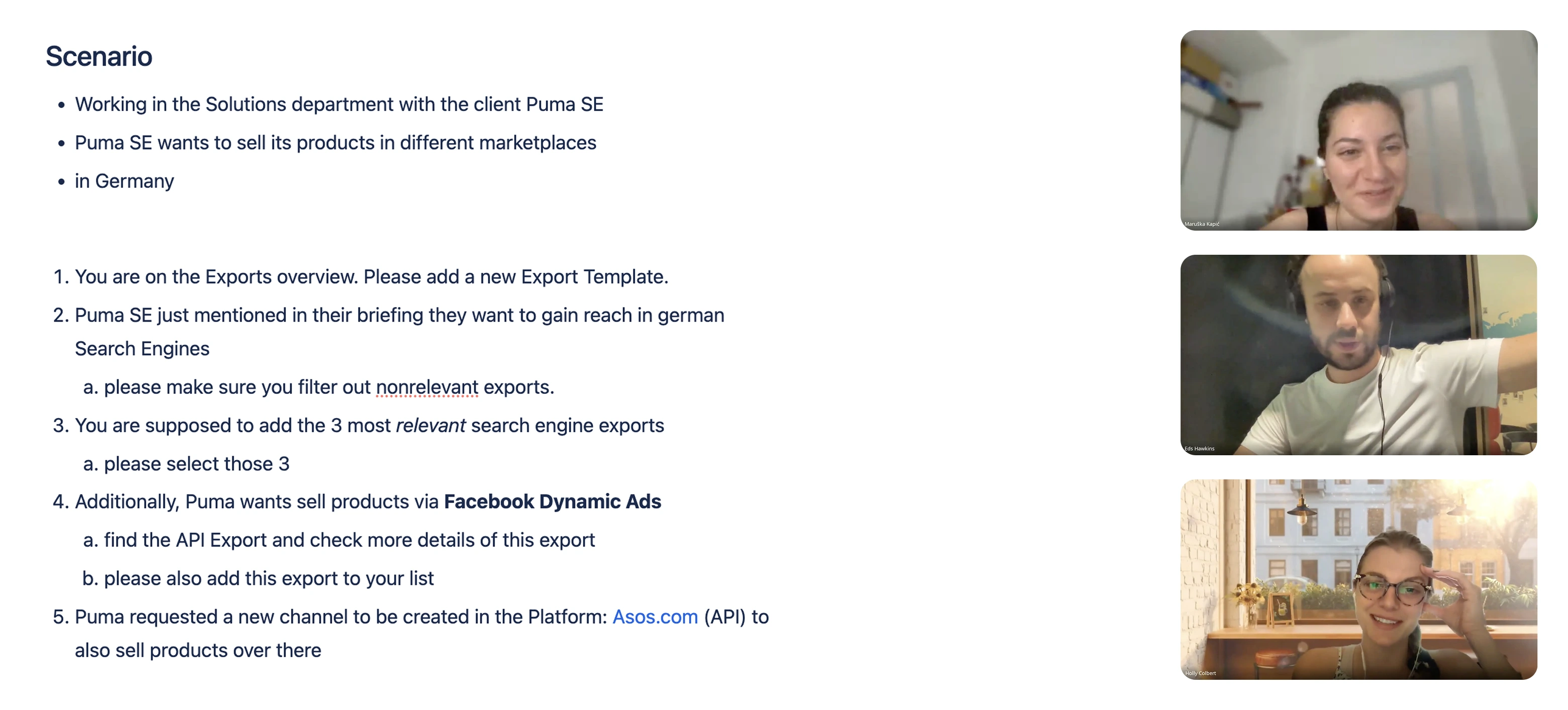
Moderated usability tests - 3 participants (Customer Success, Integrations & Implementation sessions)